A cycling helmet is the most important piece of equipment that every cyclist should own. The majority of cycling fatalities occur due to head injuries. A helmet helps to protect ones head if the cyclist should happen to crash. There are many different styles of helmets to choose from including mountain bike helmets, road bike helmets and BMX helmets.
Instructions
- Decide which style of helmet to purchase. Most cycling manufacturers classify their helmets as road, mountain, BMX/downhill, BMX/skate, youth/kids or racing style.
- Determine your budget. Helmets can cost anywhere between $25 and $200.
- Purchase a certified helmet. Look for a CPSC (Consumer Product Safety Commission) or ASTM (American National Standards Institute) or Snell Memorial Foundation sticker inside the helmet.
- Properly fit the helmet. The helmet should sit level on ones head and should not be tipped forward or backward. The helmet should fit snuggly, but not be uncomfortably tight. If the helmet slides all over the place, choose a smaller helmet.
- A good quality helmet will have an adjustable chin strap and pads which can be attached to the inside of the helmet to fine tune the fit. Better quality helmets have an adjustable ring at the back of the helmet, which can be made tighter or looser as needed.
Tips & Warnings
- BMX helmets are meant for stunt riding. They are heavier, and have fewer vent holes than other types of helmets. Many BMX riders decide to go with a full face helmet, which looks similar to, but is lighter, than a motorcycle helmet.
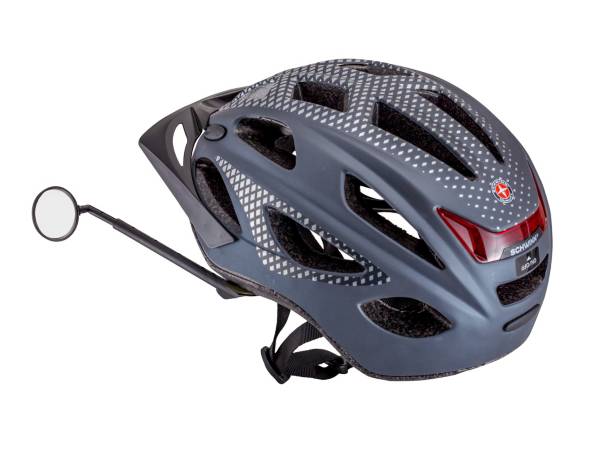
- Mountain bike helmets are lighter and have more vent holes than a BMX helmet. Most mountain bike helmets have a removable visor attached to the front.
- Road bike helmets are the lightest and most ventilated of all the bike helmets.
- Specialty helmets, such as the teardrop shaped helmets worn by time trials racers, are also available.
- Helmets should be discarded and replaced with a new one anytime they are involved in a crash. Hairline cracks may be present, which are not visible to the naked eye. These hairline cracks could compromise the integrity and effectiveness of the helmet.
- Although a good variety of helmets can be found online, a helmet really needs to be tried on in order to ensure that it fits correctly.

 Bicycle